Is Gyaru Cultural Appropriation? History, Tanning & Context
Examine the historical, social, and aesthetic roots of Gyaru tanning—from coastal surf trends and Namie Amuro to radical anti-bihaku subversion—and understand the cultural appropriation debate.
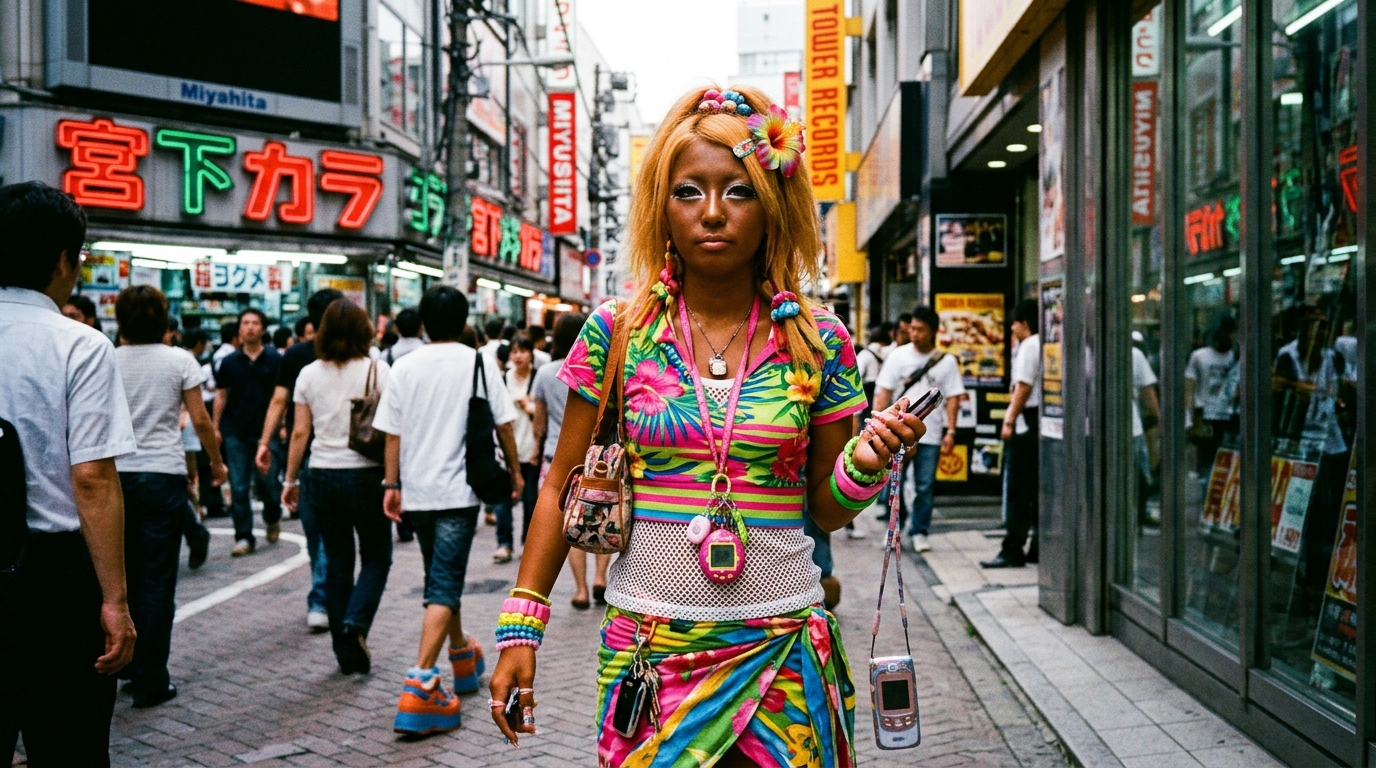
As Japanese subcultures gained global visibility through social media, the stark appearance of Heisei-era Gyaru—particularly deeply bronzed substyles like Ganguro, Manba, and Yamanba—frequently sparked debate among international onlookers. For viewers unfamiliar with Japanese postwar social history, deep foundation contrasting with stark white eye makeup drew immediate comparisons to racial caricature or Blackface.
However, academic scholarship from sociologists, anthropologists, and fashion historians reveals a fundamentally different origin. Gyaru tanning emerged as an internal, domestic youth rebellion against centuries-old Japanese aesthetic standards, class expectations, and patriarchal conformity.
Understanding this debate requires untangling the domestic Japanese cultural context from modern global perspectives on racial mimicry and cultural appropriation.
1. The Core Sociological Motive: Subverting “Bihaku” (美白)
To understand why Gyaru darkened their skin, one must first understand what they were rejecting.
In Japan, the aesthetic veneration of porcelain, unblemished fair skin—known as bihaku (美白)—predates Western contact by over a millennium. Classical Japanese sayings like “Skins white as snow hide seven flaws” (色の白いは七難隠す) reflected an aristocratic ideal established during the Nara (710–794) and Heian (794–1185) periods. Pale skin signified freedom from manual agricultural labor, modesty, upper-class status, and domestic obedience.
Heian Aristocracy (Fair Skin = Moral & Class Purity)
       ↓
Pre-War Imperial Norms (The Dutiful Wife & Wise Mother)
       ↓
1980s Bubble Era "Yamato Nadeshiko" (Submissive, Pristine Corporate Femininity)
       ↓  [COLLISION & REVOLT]
1990s Gyaru Insurgency (Deliberate Tanning, Bleached Hair, Radical Autonomy)
In late 20th-century Japan, bihaku was codified by major domestic cosmetics houses (such as Shiseido and Kanebo) as the definitive marker of respectable Japanese womanhood (yamato nadeshiko). Women were expected to remain fair, quiet, deferential, and groomed for marriage or office lady (OL) clerical careers.
When high school girls in Shibuya intentionally baked their skin in commercial UV tanning beds (salon de sol) and slathered on foundations three shades darker than their natural tones, they were enacting a visceral visual protest. As sociologist Dr. Laura Miller documented in Beauty Up: Exploring Contemporary Japanese Body Aesthetics (2006):
“The ganguro look was not an attempt to emulate African Americans, but a subversive parody of the Japanese beauty ideal that demands spotless, pale skin and submissive femininity.”
By turning their skin dark, dying their hair brassy blonde (chapatsu), and wearing hyper-mini skirts, Gyaru made themselves intentionally unpalatable to conservative men and societal authority figures.
2. The Roots of Tanning: Surf Culture and Namie Amuro
The lineage of Gyaru tanning did not emerge in a vacuum; it evolved through two distinct cultural phenomena in the 1980s and 1990s:
A. The Shonan Coastal Surf Movement (Saafaa Gyaru)
During the late 1980s and early 1990s, coastal resort lifestyles in places like Kamakura and Chiba gained widespread prestige among urban youth. Surfers and beachgoers developed deep, natural sun tans that represented athletic vitality, leisure, and economic freedom. Early “Saafaa Gyaru” (surf gals) adopted tropical brands like ALBA ROSA, floral hibiscus motifs, and sun-kissed skin as emblems of an uninhibited outdoor lifestyle.
B. The “Amuraa” Phenomenon (1995–1997)
In 1995, Okinawan pop idol Namie Amuro exploded into nationwide stardom. Unlike traditional Tokyo-centric pop idols who were groomed in fair skin and modest skirts, Amuro was proud of her natural subtropical Okinawan complexion, brown-tinted hair, platform boots, and athletic mini-dresses.
Millions of teenage girls across Japan copied her exact look, spawning the Amuraa (アムラー) boom. For the first time in modern Japanese pop culture, sun-tanned skin and platform footwear were celebrated as the pinnacle of young female cool.
3. The Shift to Theatrical Extremity: Ganguro and Manba
While Kogyaru and Amuraa celebrated a healthy golden-brown glow, the late 1990s saw a faction of Shibuya youth push tanning beyond any semblance of natural aesthetics into surreal, theatrical hyper-performance:
| Substyle Era | Tanning Level | Makeup Approach | Intent |
|---|---|---|---|
| Kogyaru (1993–1996) | Light to medium golden tan | Subtle eyeliner, brown lipstick | High school trendiness & coastal vitality |
| Amuraa (1995–1997) | Natural bronzed skin | Thin brows, brown lip liner | Emulation of pop icon Namie Amuro |
| Ganguro (1998–2001) | Deep salon UV tan + dark base | Stark white concealer on eyes and lips (panda effect) | Anti-bihaku subversion; shock value |
| Manba / Yamanba (2001–2005) | Deepest obsidian brown | Fluorescent circular eye stickers, white nose stripe, neon wigs | Complete carnivalesque alienation from conventional society |
Ganguro and Manba transformed cosmetics from a tool of attraction into a grotesque, protective armor. The dramatic white eye makeup (gongitsune effect), neon stickers under the eyes, and synthetic rainbow wigs were designed to horrify mainstream Japanese media, educators, and traditional male suitors. It was an insular counterculture created by young women, exclusively for other young women.
4. Addressing Modern Global Questions: Blackface & Cultural Borrowing
Given this history, how does Gyaru intersect with global discourses on cultural appropriation and Blackface?
A. The Absence of Minstrelsy Intent
Historically, Blackface (such as American 19th-century minstrelsy) was an explicit theatrical system created by dominant racial groups to dehumanize, caricature, and oppress Black people through racist caricatures of features, dialect, and subservience.
Sociologists examining Ganguro find zero ideological or genealogical connection to anti-Black minstrel traditions. Ganguro girls were not portraying or satirizing Black people; they were satirizing the traditional Japanese ruling-class standards of beauty. In interviews conducted by Japanese media and ethnographers in 2000, participants consistently cited “looking cute and shocking adults” as their primary motivation.
B. R&B, Hip-Hop, and B-Gyaru (B-Gal)
It is important to note that a specific micro-substyle known as B-Gyaru (B-Gal) did explicitly draw inspiration from 1990s and 2000s African-American hip-hop and R&B music culture (artists like TLC, Aaliyah, and Destiny’s Child).
In this specific niche, participants wore oversized streetwear, timberland-style boots, and occasional braided hair. While largely born of deep admiration for Black American musical excellence rather than malice, this crossover demonstrated the complex ways American media was consumed and remixed in Japanese street fashion. Modern discussions rightly recognize that certain practices—such as non-Black individuals wearing protective Afro-textured hairstyles—fall into legitimate critique regarding cultural insensitivity.
5. Guidelines for Modern International Gyaru
Today, Gyaru is a globally celebrated subculture with passionate communities across North America, Europe, Latin America, and Southeast Asia (commonly referred to as Gaijin Gyaru).
If you are participating in Gyaru fashion today, adhering to thoughtful community guidelines ensures your passion remains respectful, culturally literate, and authentic:
What Gyaru Truly Represents:
- Technique and Aesthetic Mastery: Exaggerated false eyelashes, dramatic winged liner (droop eyes), contouring, voluminous sujimori or bleached hair, ornate deco nail art, and coordinated brand styling.
- The Gyaru Mindset (Gal Spirit): Self-confidence (jibun-rashisa), unwavering sisterhood, creative freedom, and unapologetic self-expression.
- Natural Complexion Inclusivity: Modern Gyaru celebrates your natural skin tone. You do not need to artificially alter your skin tone to be an authentic Gyaru; substyles like Onee-Gyaru, Agejo, Hime-Gyaru, and Rokku-Gyaru flourish across all complexions without tanning.
Best Practices for Responsible Participation:
- Never artificially darken your skin to simulate race: If you choose to adopt a sun-tanned substyle like coastal Gyaru, rely on standard sunless self-tanners within natural limits, never attempting to mimic racial features.
- Avoid protective cultural hairstyles unless part of your heritage: Focus on classic Gyaru hair staples—loose curls, backcombing (sujimori), high ponytails, and colorful hair extensions.
- Study the history: Understanding why 1990s Japanese women gathered in Shibuya, defied school authorities, and formed gyaru-saa enriches your styling and honors the women who built the subculture.
Conclusion
Gyaru is not, at its foundational core, an act of cultural appropriation against non-Japanese cultures. It is one of the most radical, female-driven countercultural rebellions in Japanese modern history—a creative uprising against patriarchal purity codes and social rigidity.
By appreciating its true socio-historical origins and approaching the aesthetic with cultural literacy, enthusiasts worldwide can celebrate the enduring spirit of Gyaru without falling into insensitivity or historical misunderstanding.
Frequently Asked Questions
Is Gyaru or Ganguro considered Blackface?
Historically, no. Sociological research (e.g., Dr. Laura Miller, Sharon Kinsella) demonstrates that Ganguro tanning originated as a direct rebellion against Japan's centuries-old 'bihaku' (fair skin) beauty ideal, combined with coastal surf culture and the idolization of Okinawan pop star Namie Amuro. The exaggerated white eye makeup, neon hair, and stickers were deliberate parodies of conventional Japanese beauty, not caricatures of African people.
Why did 1990s Gyaru tan their skin?
In the mid-1990s, sun-tanned skin symbolized youthful leisure, economic vitality, and athletic freedom through coastal surf culture (saafaa gyaru). When pop icon Namie Amuro debuted with her natural golden-bronze Okinawan complexion, millions of Japanese teens emulated her look. Later substyles like Ganguro and Manba pushed tanning to extreme, theatrical lengths as a radical statement of autonomy against conservative Japanese social norms.
Can non-Japanese people participate in Gyaru fashion?
Yes, the Japanese Gyaru community has historically welcomed foreign participants (often called 'Gaijin Gyaru'). The essence of Gyaru lies in individual expression, confidence, and community bonding. However, modern participants emphasize focusing on signature Gyaru makeup and styling techniques while avoiding culturally appropriative elements from other marginalized groups, such as sacred symbols or protective Black hairstyles (like dreadlocks or box braids).
What does 'anti-bihaku' mean in Gyaru culture?
'Bihaku' (美白) translates to 'beautiful white' and has represented an elite, refined ideal of feminine purity in Japan since the Heian period. By deliberately tanning their skin dark and wearing garish, clashing cosmetics, Gyaru deliberately dismantled this patriarchal expectation, effectively rendering themselves 'unpalatable' to conservative society and male corporate gatekeepers.
Sora Tanaka
Lead Fashion Archivist & J-Fashion ResearcherSpecializing in Heisei-era Tokyo street subcultures, Shibuya 109 commercial design history, and physical print magazine preservation. All articles are cross-referenced with primary historical print issues of egg, Koakuma Ageha, and academic fashion collections.
Further Reading & Related Guides
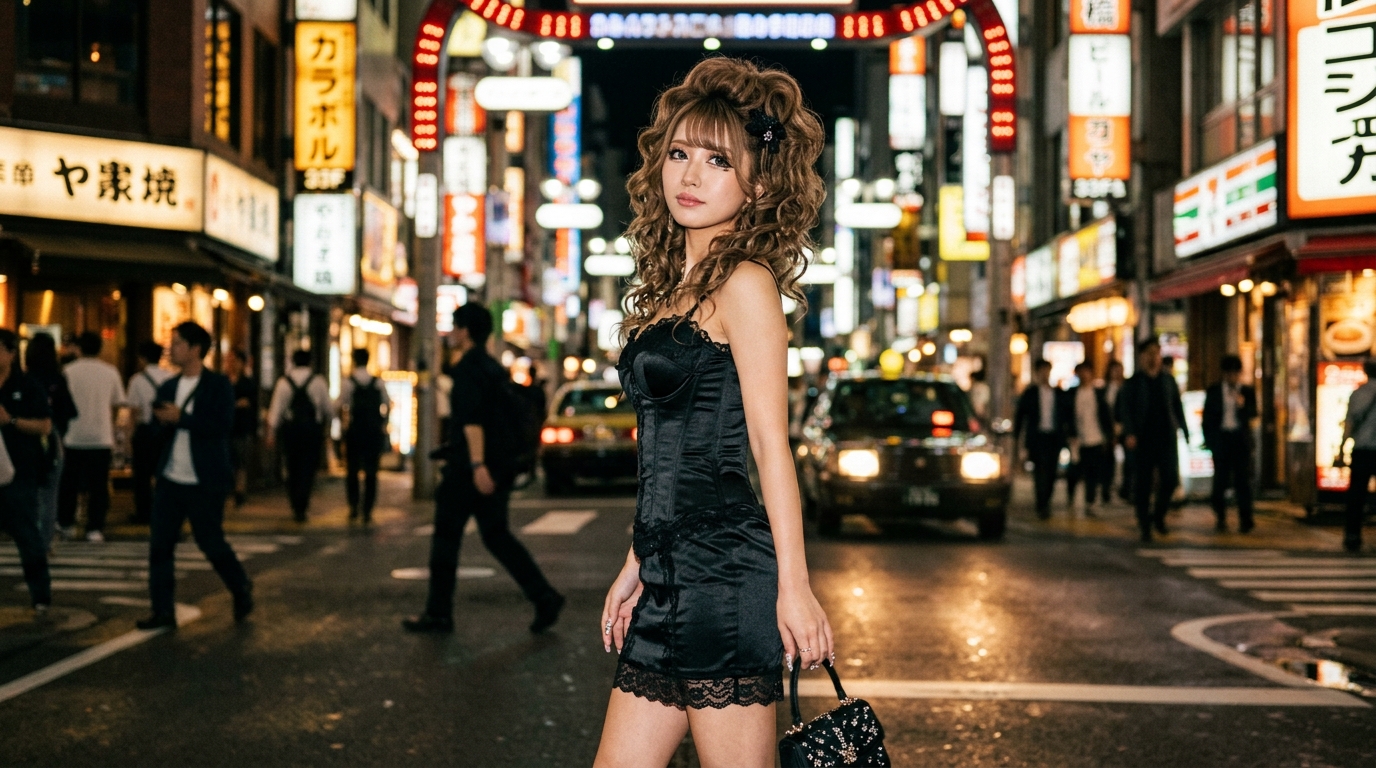
Agejo Gyaru Fashion: Koakuma Ageha, Sujimori Hair & Nightlife Glamour
Explore Agejo Gyaru: the seductive, nocturnal substyle popularized by Koakuma Ageha magazine, featuring satin corsets, cat-eye makeup, and voluminous sujimori hair.
Ganguro Fashion: Deep Tan, White Makeup & Late-90s Radicalism
Explore Ganguro fashion: the extreme late-1990s Gyaru substyle featuring deep salon tans, white eye concealer, bleached hair, and Shibuya rebellion.
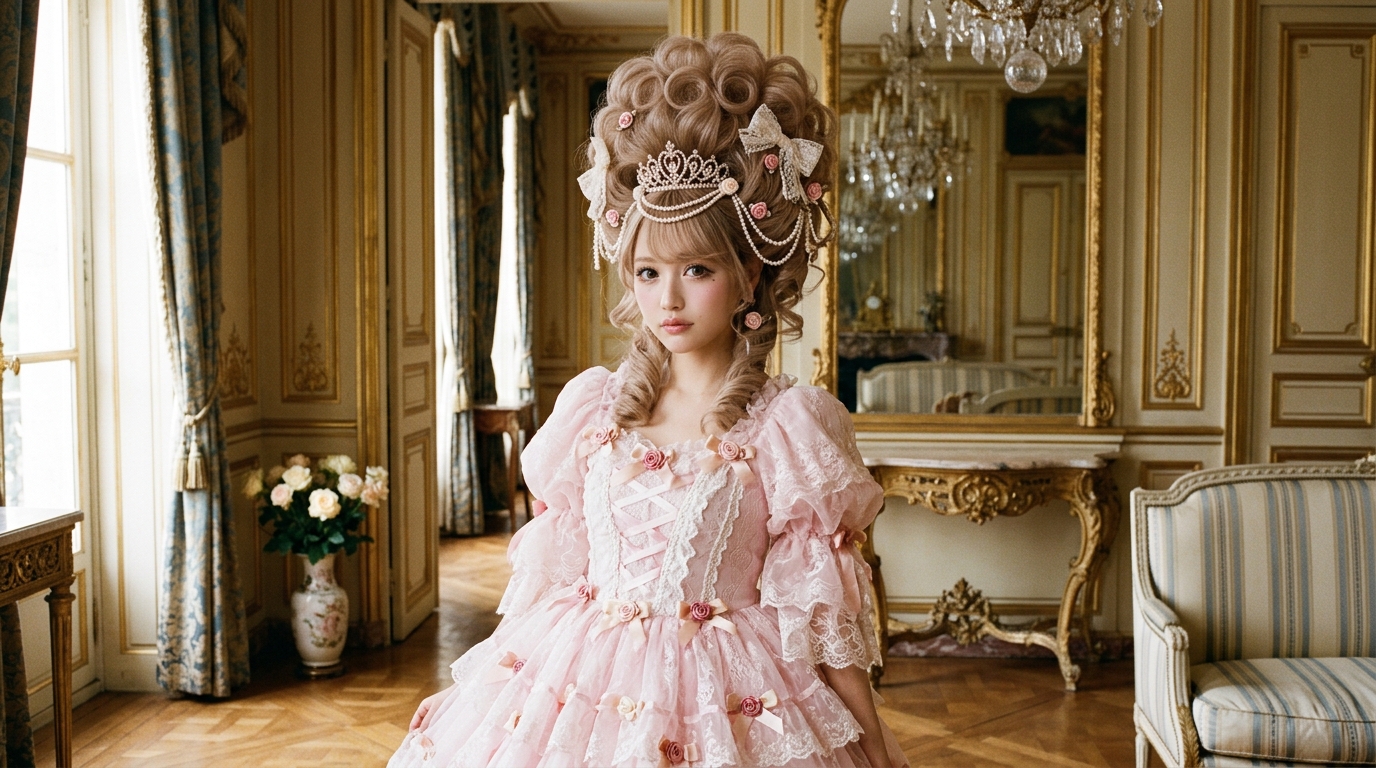
Hime Gyaru Fashion: Outfits, Makeup, History & Guide
The complete archival guide to Hime Gyaru (Princess Gal) fashion, covering Marie Antoinette aesthetics, sujimori teased hair, doll makeup, and iconic Shibuya 109 brands.