Gyaru Fashion: The Complete Guide to Styles, History & Culture
The historical and aesthetic compendium of Japan's most influential street subculture—from 1990s Shibuya sidewalk rebellions to global 2020s Reiwa revivals.
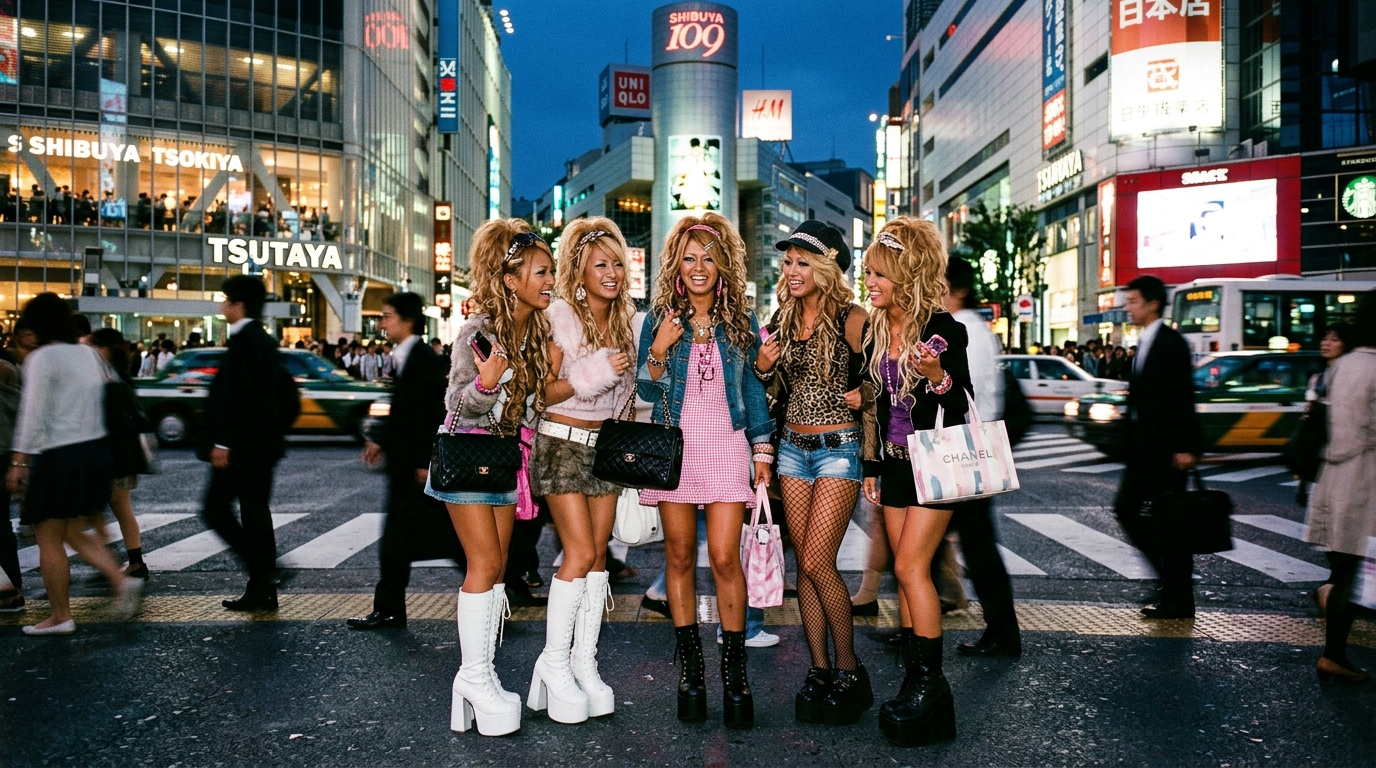
Across the annals of modern street fashion, few movements possess the cultural gravity, longevity, and transformative power of Japanese Gyaru Fashion (ギャルファッション). What began in the early 1990s as a localized act of teenage defiance on the sidewalks of Shibuya, Tokyo, rapidly evolved into a multi-billion-dollar design ecosystem that fundamentally redefined how women across East Asia expressed autonomy, sensuality, and self-worth.
Unlike many subcultures that merely borrow silhouettes from high-fashion runways, Gyaru was created entirely from the street up. Japanese high school girls took their compulsory institutional uniforms, beachwear, and Western pop aesthetics and radicalized them—crafting a visual vocabulary of golden-brown tans, bleach-blonde hair, sky-high platform boots, and unapologetic cosmetic artistry that directly challenged centuries of conservative societal expectations.
1. What Is Gyaru Fashion?
At its essence, Gyaru fashion is defined by the conscious rejection of traditional Japanese beauty aesthetics. For generations, the mainstream ideal of feminine elegance in Japan celebrated porcelain, untouched fair skin (bihaku), naturally silky straight black hair, minimal makeup, and understated, demure clothing.
Gyaru inverted every single element of that standard:
- Skin: Deliberate sun-tanning or salon UV tanning (from warm golden bronzes to deep tropical mahoganies).
- Hair: Chemically dyed caramel, honey blonde, or platinum hair (known historically as chapatsu).
- Eyes: Highly technical cosmetic enlargement using liquid eyeliner, double eyelid tape, circle contact lenses, and multiple pairs of stacked false eyelashes (tsukematsuge).
- Silhouette: Body-conscious tailoring, micro-miniskirts, exposed midriffs, and commanding platform footwear.
2. The Core Aesthetic & Cultural Pillars
To understand the visual language of Gyaru, one must recognize that it is not a monolithic costume, but an evolving aesthetic system resting on four core pillars:
- Deliberate Visual Contrast: Whether it was the stark white concealer of late-90s Ganguro set against bronze skin, or the dark eyeliner of mid-2000s Agejo framing crystalline colored contacts, Gyaru operates on high visual contrast that demands notice.
- Hyper-Femininity as Power: Unlike subcultures that adopt androgynous or utilitarian attire to reject patriarchy, Gyaru weaponized hyper-femininity—corsets, lace, pearls, floral prints, and manicured nails—as an assertion of female agency.
- Group Solidarity & Gal Circles: Gals organized into close-knit peer groups known as gal circles (gyaru-saa), complete with recognized leaders, coordinated group outfits, and collective dance routines known as Para Para.
- The Sanctity of Shibuya 109: The commercial temple of the subculture, the iconic cylindrical building at Shibuya crossing served as both a curated shopping destination and the physical social plaza of the entire movement.
Gyaru vs. Lolita: Two Divergent Subcultural Philosophies
While both movements arose as distinctive Japanese youth subcultures in late-20th-century Tokyo, their philosophical and aesthetic foundations stand in direct contrast:
| Fashion Element | Gyaru Fashion | Lolita Fashion |
|---|---|---|
| Origin Era | Mid-1990s (Tokyo High Schools) | Late 1970s / Early 1980s (Harajuku) |
| Skin Tone Philosophy | Tanned / Bronze skin defying traditional pale beauty | Porcelain fair skin maintaining Victorian modesty |
| Core Silhouette | Body-conscious, miniskirts, platform heels, loose socks | Bell-shaped knee-length skirts, petticoats, bonnets |
| Societal Attitude | Aggressive street rebellion, party culture, unapologetic autonomy | Romantic nostalgia, escapism, traditional innocence |
3. Complete Breakdown of Major Gyaru Substyles
Over three decades, Gyaru blossomed into dozens of specialized substyles. Below are the foundational branches that defined the subculture's history:
Hime Gyaru
The Princess Gal aesthetic: Rococo and Victorian-inspired babydoll dresses, sky-high sujimori teased curls, tiaras, and Marie Antoinette decadence.
Kogyaru / Kogal
The pioneering schoolgirl movement: customized seifuku uniforms, 120cm loose socks, platform penny loafers, and sun-kissed beach tans.
Ganguro
The extreme tan frontier: deep salon bronzing, white matte concealer across eyelids and nose bridges, bleached hair, and tropical hibiscus prints.
Agejo
Nocturnal hostess glamour popularized by Koakuma Ageha: satin corsets, black lace, sharp feline cat eyes, and sculptural sujimori hair.
4. The Architecture of Gyaru Beauty
Garments alone do not make a Gyaru. In Japanese subculture theory, makeup (make) and hair styling are the foundational prerequisites:
Gyaru Eye Makeup (Me-Make)
Gyaru eye makeup is a masterclass in facial geometry. Techniques vary by substyle:
- Tareme (Droop Eyes): Favored by Hime Gyaru and Himekaji, this technique uses downward-curving eyeliner below the outer water line to create a round, innocent, doe-like gaze.
- Tsurime (Cat Eyes): Favored by Agejo and Rokku Gyaru, featuring sharp liquid flick wings extending upward toward the temples to suggest feline allure.
- Circle Lenses: Contact lenses featuring wide colored rings that visually expand the iris diameter, giving eyes a glossy, doll-like aperture.
Hair Architecture: From Chapatsu to Sujimori
Gyaru hair has undergone constant reinvention. In the 1990s, the battle was over chapatsu (simply dyeing hair light brown in defiance of school dress codes). By 2006, salon hair reached its zenith with **sujimori** (streak styling)—a laborious architectural technique in which the crown was heavily teased around foam inserts while surface hair was separated into lacquered, defined spiral ringlets that defied gravity.
3D Sculpted Nails
Gyaru nail salons pioneered sculptural acrylic nail art globally. Long stiletto or coffin acrylic extensions were hand-embellished with miniature sculpted acrylic roses, Austrian rhinestones, golden charms, and miniature perfume bottles.
5. Shibuya 109 & The Golden Age of Gyaru Brands
At the geographical and spiritual heart of Gyaru fashion was the cylindrical **Shibuya 109** department store. For over two decades, its floors served as laboratory spaces where young female designers created clothes specifically for their peers:
- ALBA ROSA: The premier resort-wear label of the late 1990s. Its oversized wool blankets and coats emblazoned with a giant hibiscus flower logo became the ultimate status symbol of Tokyo gals.
- MA*RS: The definitive label of late-2000s Agejo, famous for its heart and gold-chain prints, corset mini dresses, and black lace trims.
- Liz Lisa: Founded in 1999, Liz Lisa pioneered the romantic, floral, vintage-inspired *Himekaji* look that made Gyaru styling accessible to hundreds of thousands of mainstream Japanese teens.
- d.i.a.: Renowned for its low-rise denim, oversized skull belt buckles, and daring body-conscious silhouettes that came to define late-2000s *Kuro-Gyaru* (tanned black gal) aesthetics.
6. Print Magazine Culture: Documenting Shibuya Street Style
Before social media, the Gyaru subculture communicated exclusively through physical print magazines published monthly:
- egg (1995–2014, 2018–present): The foundational voice of Shibuya street gals. Known for candid sidewalk snaps, slang dictionaries, and authentic teenage reporting.
- Popteen (1980–present): Bridged high school trends, pop music, and mainstream teen gyaru aesthetics.
- Koakuma Ageha (2006–2014, revived): The sensational monthly magazine created for cabaret hostesses that popularized the Agejo aesthetic, sujimori hair tutorials, and dramatic cosmetic transformations.
7. Beginner Roadmap: How to Start Gyaru Fashion Today
With the 2020s **Reiwa revival**, thousands of fashion enthusiasts worldwide are adopting Gyaru fashion for the first time. If you are beginning your journey, follow this proven roadmap:
- Select a Substyle North Star: Decide whether your personal taste leans toward 1990s casualwear (Kogyaru), romantic pastels (Hime Gyaru), nocturnal glamour (Agejo), or casual cottage chic (Himekaji).
- Master the Eye Makeup: Invest in high-quality upper and lower false eyelashes, a precision liquid eyeliner pen, and double eyelid tape if desired. Practice eyeliner placement repeatedly; in Gyaru, makeup precision is paramount.
- Source Vintage Japanese Pieces: Rather than buying cheap modern fast-fashion imitations, source authentic vintage pieces from Japanese second-hand platforms (Mercari Japan, Yahoo! Auctions Japan) looking for heritage labels like Liz Lisa, MA*RS, and ALBA ROSA.
- Study Historical Print Magazines: Browse archival issues of egg and Koakuma Ageha to understand how outfits were accessorized with belts, jewelry, nails, and footwear.
Frequently Asked Questions
What is the definition of Gyaru fashion?
Gyaru fashion (ギャルファッション) is a major Japanese street fashion subculture that originated in Tokyo in the early 1990s. It is characterized by tanned skin, dyed or bleached hair, dramatic eye makeup (circle lenses, false eyelashes, winged liner), expressive hairstyles, and bold, self-directed outfits that actively subvert traditional Japanese beauty norms.
Where did Gyaru fashion originate?
Gyaru fashion originated on the streets of the Shibuya district in Tokyo, particularly around the Shibuya 109 department store and the Shibuya crossing, where high school girls first customized their uniforms and gathered in street circles.
What are the main types of Gyaru?
Major Gyaru substyles include Kogyaru (high school uniform style), Ganguro and Manba (extreme dark tan and white makeup), Hime Gyaru (Rococo princess style), Agejo (nightlife hostess glamour), Himekaji (casual floral princess), Onee Gyaru (mature adult gal), and Rokku Gyaru (rock and leather aesthetic).
Is Gyaru fashion still active today?
Yes. While the commercial peak of physical magazines in Shibuya occurred in the 2000s, Gyaru is undergoing a major Reiwa-era revival (2019–present) driven by digital magazines, YouTube channels like egg, and a global appreciation for authentic Heisei-era fashion aesthetics.
Sora Tanaka
Lead Fashion Archivist & J-Fashion ResearcherSpecializing in Heisei-era Tokyo street subcultures, Shibuya 109 commercial design history, and physical print magazine preservation. All articles are cross-referenced with primary historical print issues of egg, Koakuma Ageha, and academic fashion collections.
Further Reading & Related Guides
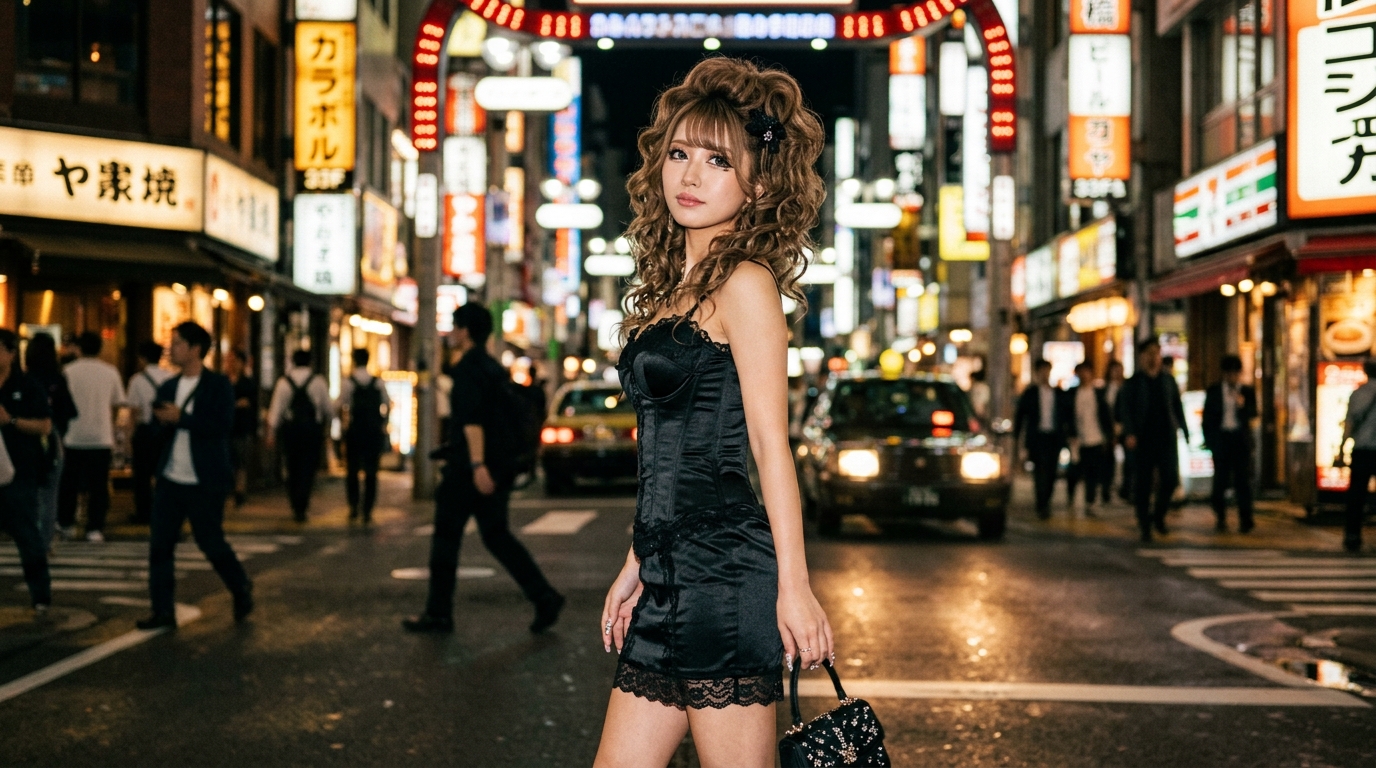
Agejo Gyaru Fashion: Koakuma Ageha, Sujimori Hair & Nightlife Glamour
Explore Agejo Gyaru: the seductive, nocturnal substyle popularized by Koakuma Ageha magazine, featuring satin corsets, cat-eye makeup, and voluminous sujimori hair.
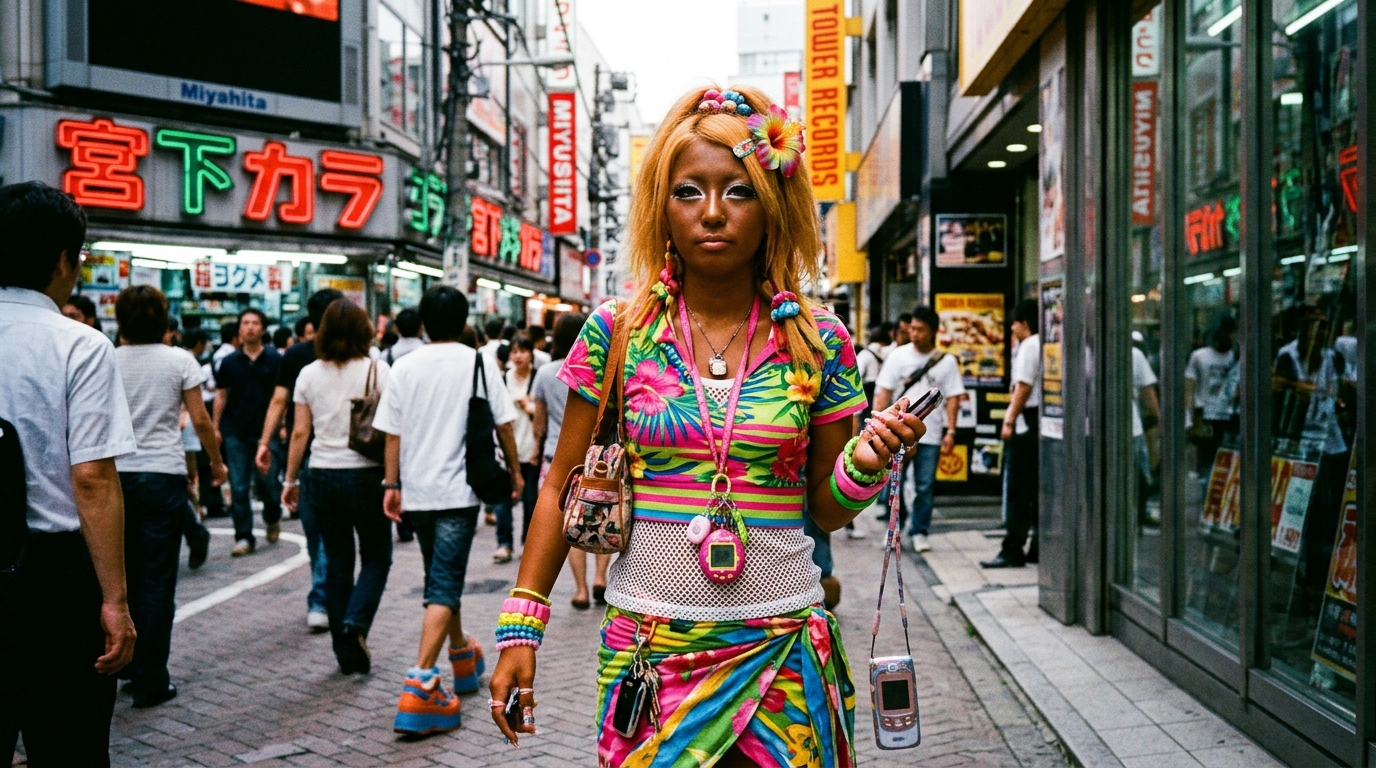
Ganguro Fashion: Deep Tan, White Makeup & Late-90s Radicalism
Explore Ganguro fashion: the extreme late-1990s Gyaru substyle featuring deep salon tans, white eye concealer, bleached hair, and Shibuya rebellion.
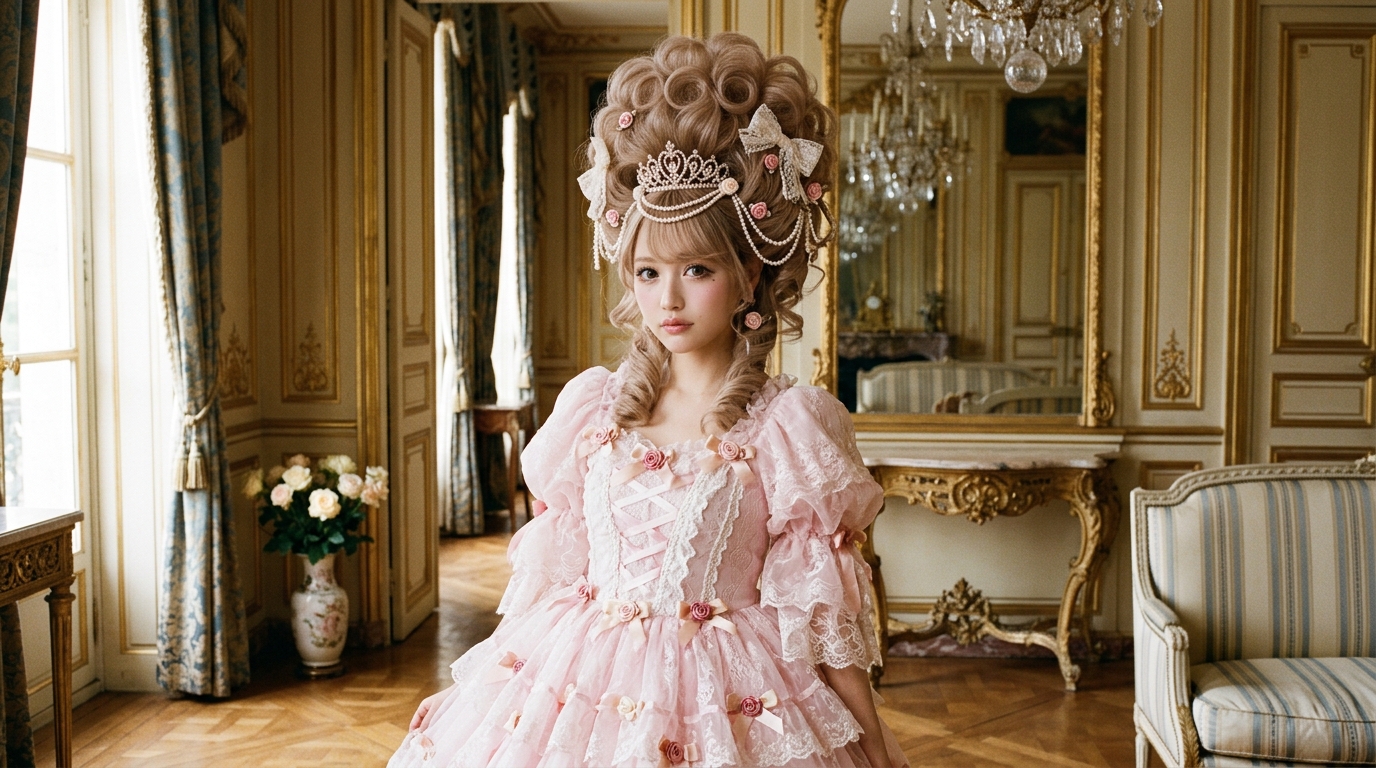
Hime Gyaru Fashion: Outfits, Makeup, History & Guide
The complete archival guide to Hime Gyaru (Princess Gal) fashion, covering Marie Antoinette aesthetics, sujimori teased hair, doll makeup, and iconic Shibuya 109 brands.