Hime Gyaru Fashion: Outfits, Makeup, History & Guide
The complete archival guide to Hime Gyaru (Princess Gal) fashion, covering Marie Antoinette aesthetics, sujimori teased hair, doll makeup, and iconic Shibuya 109 brands.
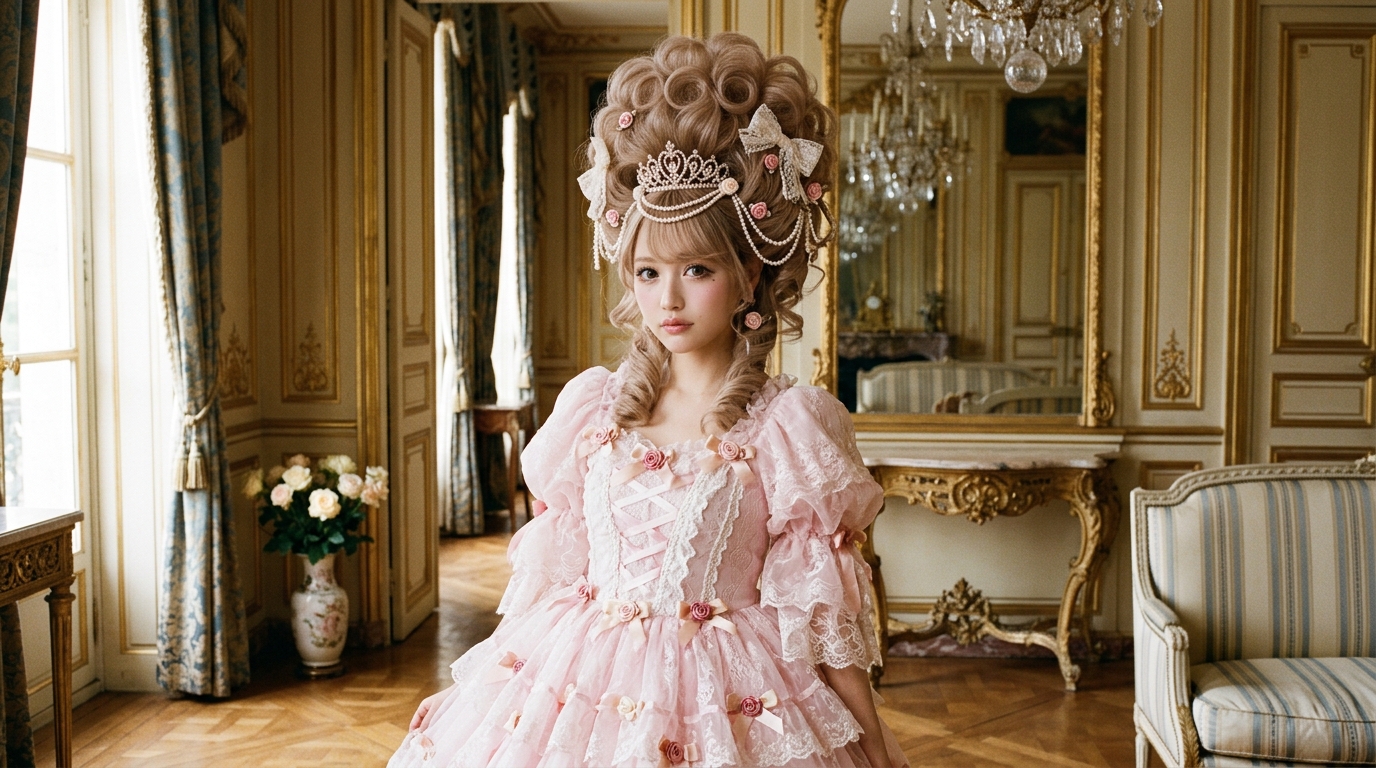
Hime Gyaru (姫ギャル)
- • Extravagant pastel color palettes dominated by baby pink, ivory white, and gold accents
- • Rococo, Victorian, and Marie Antoinette-inspired silhouettes with bows, pearls, and ruffles
- • Massive, sculpted bouffant hairdos (sujimori) adorned with tiaras and floral crowns
- • Doll-like eye makeup with exaggerated lower droop (tareme) and voluminous flutter lashes
- • Elaborate 3D nail art loaded with acrylic flowers, rhinestones, and pearls
- • Full-skirted Victorian and Rococo-inspired babydoll dresses
- • Lace-trimmed capes and faux-fur collar overcoats
- • Pearl chokers and miniature crystal tiaras
- • Platform pumps embellished with silk ribbons and roses
- • Porcelain, luminous foundation contrasting with earlier deep Gyaru tans
- • Prominent teardrop / droop eyeliner (tareme) creating innocent doe-eyes
- • Layered upper and lower false eyelashes (tsukematsuge)
- • Soft baby pink or glossy nude lips paired with high-placed blush
- • Massive sujimori bouffant teasing with defined cascading spiral ringlets
- • Warm honey blonde, milk tea brown, or light chestnut hair coloring
- • Adornments including tiaras, oversized rose corsages, and silk ribbons
The Genesis of the Princess Gal
During the peak of the Heisei era in the mid-2000s, Japanese street fashion underwent a dramatic stylistic bifurcation. While early Gyaru in the late 1990s had been rooted in sun-tanned beach aesthetics and surf-inspired casualwear, a new generation of women began gravitating toward unapologetic, hyper-feminine fantasy.
From this cultural current arose Hime Gyaru (Princess Gal). Drawing visual inspiration from 18th-century European court attire, Marie Antoinette, and classic Rococo portraiture, Hime Gyaru reimagined Japanese street culture through a lens of aristocratic decadence.
Rather than adopting European fashion subserviently, Hime Gyaru radicalized it through distinctive Gyaru sensibilities: pairing delicate silk dresses with sky-high teased hair (sujimori), layered acrylic 3D nails, dramatic false eyelashes, and unapologetic self-presentation.
Defining Aesthetics & Key Fashion Characteristics
The Hime Gyaru silhouette is instantly identifiable through its rejection of casual minimalism in favor of theatrical opulence:
1. The Silhouette & Wardrobe
Hime Gyaru garments prioritize structure, volume, and texture. Babydoll dresses with bell-shaped petticoats, fitted corsetry, and ruffled sweetheart necklines form the core wardrobe. Lace trims, scalloped hems, satin bows, and Austrian crystal embellishments are ubiquitous. Unlike Lolita fashion—which emphasizes modesty and bell-shaped Victorian knee-length skirts—Hime Gyaru embraces shorter hemlines, fitted waists, and prominent décolletage.
2. The Color Philosophy
While other Gyaru substyles frequently embraced neon, military green, or bold animal prints, Hime Gyaru created a distinctively delicate palette:
- Powder and Baby Pink: The foundational uniform of the substyle.
- Ivory, Cream, and Milk White: Used for lace overlays, faux-fur stoles, and stocking textures.
- Champagne Gold: Accent metals found on belt buckles, tiaras, and jewellery.
The Architecture of Sujimori Hair
No element of Hime Gyaru is more iconic—or technically demanding—than its hair architecture. Known as sujimori (teased streaks), the hairstyle involves creating an enormous structural bouffant at the crown of the head while allowing defined, lacquered curls to cascade over the shoulders.
Stylists and enthusiasts utilized backcombing techniques, structural padding (hair donuts), and heavy-hold hairspray to construct shapes that could reach several inches in height. The look was completed with tiaras, oversized silk roses, or crystal hairpins placed asymmetrically across the crown.
Iconic Hime Gyaru Brands
The commercial peak of Hime Gyaru was anchored by visionary designers and department store boutiques:
- Jesus Diamante: The crown jewel of Hime Gyaru. Founded in Osaka before expanding to Tokyo, Jesus Diamante produced extravagant couture-level dresses featuring exclusive rose prints, tailored wool coats lined in fox fur, and crystal-studded accessories.
- Liz Lisa: While later becoming synonymous with casual Himekaji, Liz Lisa’s mid-2000s collections featured romantic floral dresses, lace trims, and ruffled cardigans favored by entry-level Princess Gals.
- La Pafait: A boutique dedicated to hyper-saturated baby pink fantasy garments, featuring oversized bows and dramatic fairy-tale aesthetics.
Frequently Asked Questions About Hime Gyaru
What does Hime Gyaru mean in Japanese?
Hime (姫) translates to 'princess' in Japanese. Hime Gyaru literally translates to 'Princess Gal', signifying a substyle that synthesizes the rebellious glamour of Gyaru subculture with extravagant, royalty-inspired Victorian and Rococo fashion aesthetics.
How does Hime Gyaru differ from Himekaji?
While Hime Gyaru is formal, opulent, and defined by sky-high sujimori teased hair and couture dresses, Himekaji ('Princess Casual') is an accessible, everyday ready-to-wear adaptation famous for soft floral sundresses, lightweight knits, and natural wavy hair championed by brands like Liz Lisa.
What brand is most iconic to Hime Gyaru history?
Jesus Diamante is universally regarded as the ultimate luxury pinnacle of authentic Hime Gyaru, renowned for its lavish Baroque print dresses, fur coats, and high-fashion boutique experience in Osaka and Tokyo.
Sora Tanaka
Lead Fashion Archivist & J-Fashion ResearcherSpecializing in Heisei-era Tokyo street subcultures, Shibuya 109 commercial design history, and physical print magazine preservation. All articles are cross-referenced with primary historical print issues of egg, Koakuma Ageha, and academic fashion collections.
Further Reading & Related Styles
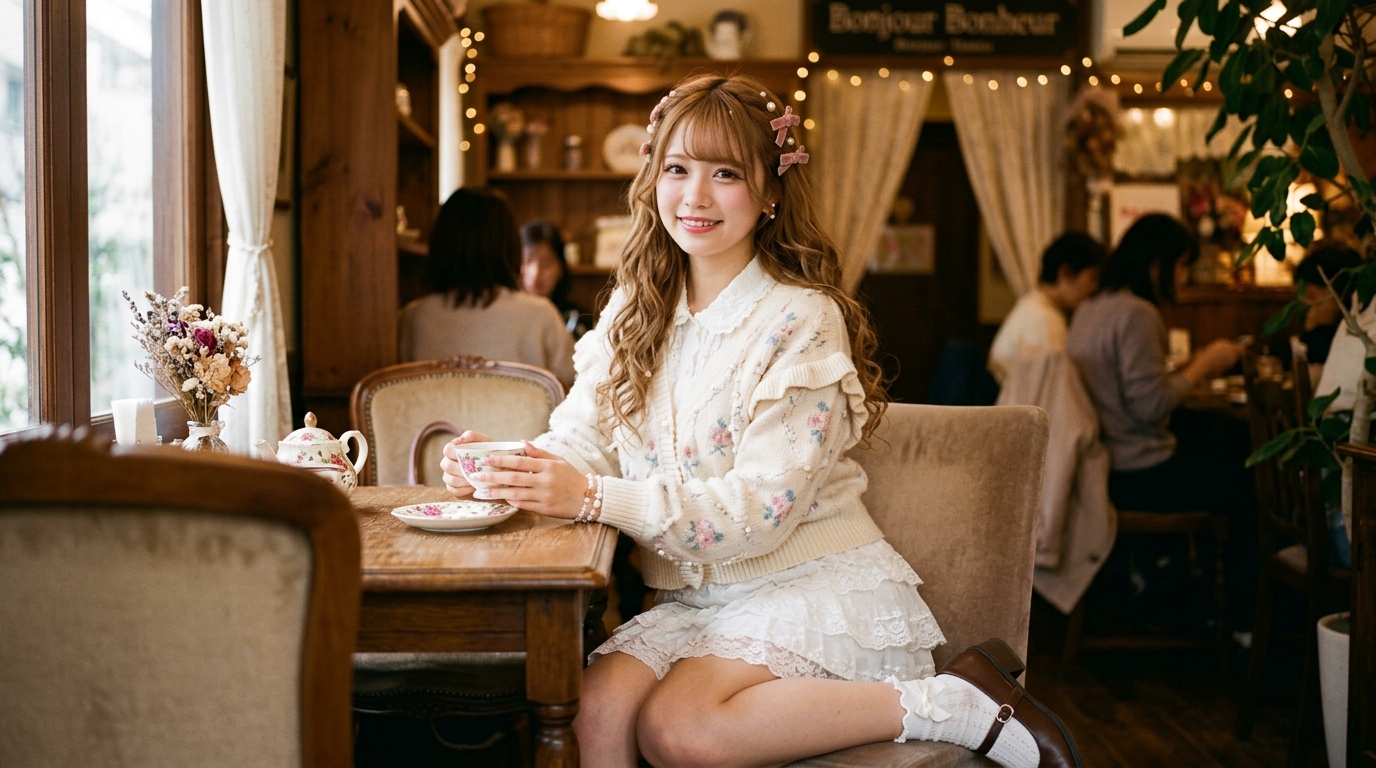
Himekaji: Casual Princess Gyaru Outfits, Liz Lisa & Romance
An overview of Himekaji (Casual Princess Gal): explore soft floral prints, Liz Lisa styling, cozy knitwear, and everyday romantic Japanese street fashion.
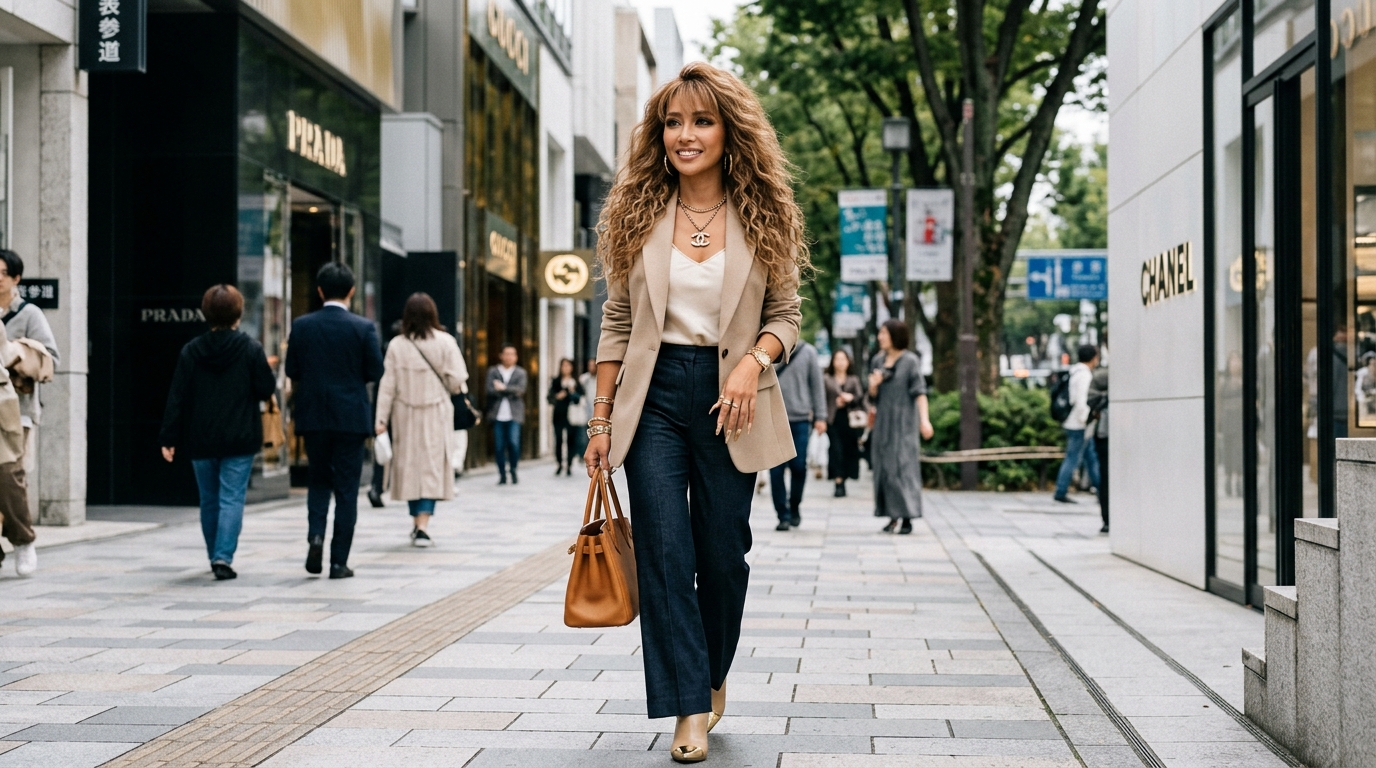
Onee Gyaru: Mature Japanese Sister Style & High-End Glamour
A deep dive into Onee Gyaru (Older Sister Gal) fashion: explore mature sophistication, Happie Nuts magazine history, tailored chic, and glamorous substyle aesthetics.
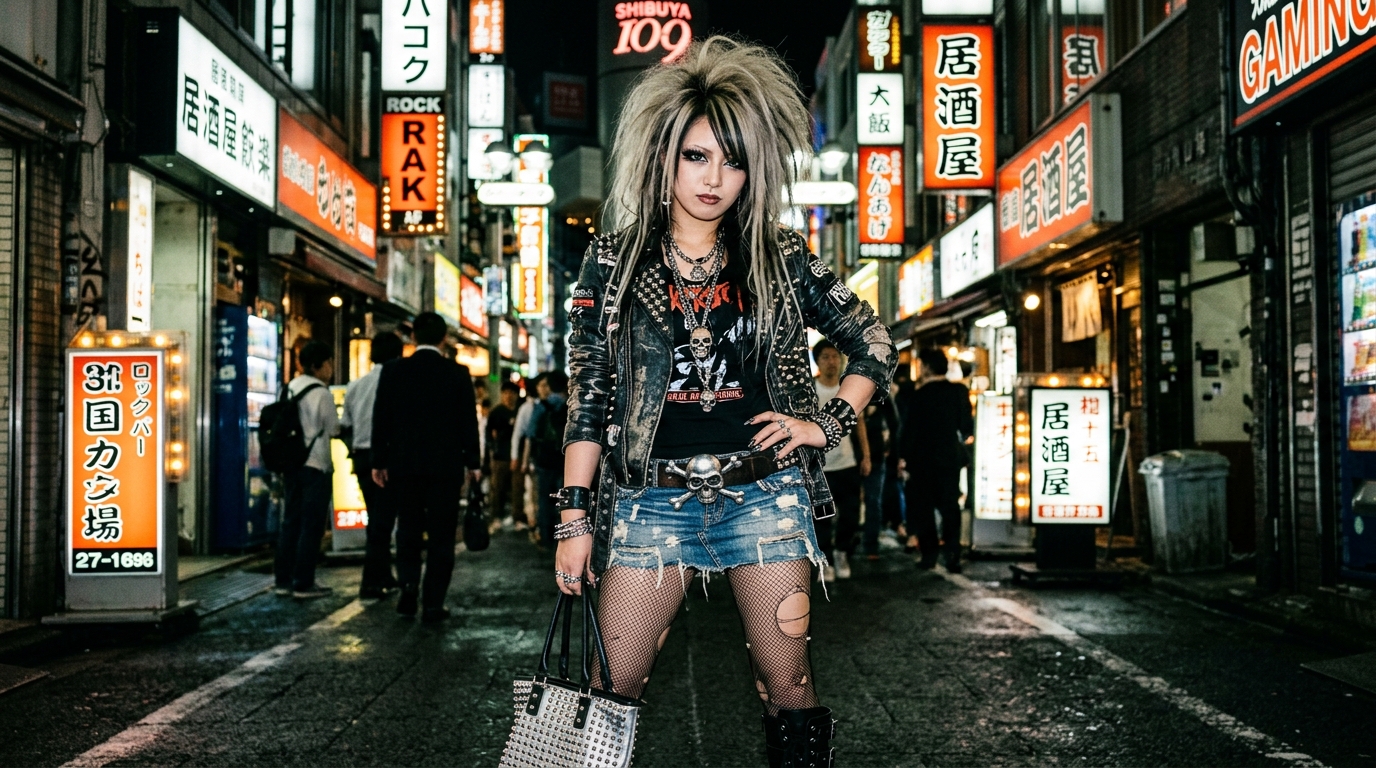
Rokku Gyaru: Rock Gal Aesthetics, d.i.a. Belts & Edgy Streetwear
An introduction to Rokku Gyaru (Rock Gal): discover leather jackets, heavy metal chains, iconic d.i.a. buckle belts, animal prints, and rebellious Shibuya edge.