Sujimori Hair (筋盛り): Voluminous Teased Gyaru Hairstyle Guide
The peak of architectural hair artistry: how Japanese stylists and gals engineered towering teased crowns with lacquer-defined spiral tendrils.

An elaborate teased Gyaru hairstyle combining an oversized backcombed bouffant at the crown with individual lacquered, separated curly hair streaks (suji).
The Apex of Hair Architecture
If 1990s Gyaru revolutionized hair color through chapatsu bleaching, mid-2000s Gyaru revolutionized hair structure through Sujimori (筋盛り).
Originating in high-end Tokyo hair salons catering to nightlife hostesses in Roppongi and Kabukicho, Sujimori became a nationwide obsession when Koakuma Ageha magazine began publishing step-by-step illustrated guides showing how to construct these dramatic hairstyles.
The Three Elements of Sujimori
- The Base Bouffant: Backcombing the crown over structural mesh cushions (hair padding) to achieve extreme height.
- The Defined Streaks (Suji): Separating surface strands with tail combs, coating each in wax and aerosol lacquer, and smoothing them over the bouffant.
- Cascading Spiral Curls: Curling the lower lengths with 32mm or 38mm curling irons, pinning them into dramatic ringlets that frame the neck and shoulders.
Frequently Asked Questions
What does the word Sujimori mean?
Sujimori is composed of 'suji' (筋, meaning lines, streaks, or veins) and 'mori' (盛り, from moru, meaning to heap up, pile up, or amplify). It literally describes hair that has been piled high with clearly defined, streaked strands.
Which Gyaru substyles wore Sujimori?
Sujimori was the signature crown of both Hime Gyaru and Agejo from 2006 to 2012, and was also popular among nightlife hostesses, Gyaruo male counterparts, and festival attendees.
GyaruFashion Editorial Team
Lead Fashion Archivist & J-Fashion ResearcherCurated and fact-checked by the GyaruFashion collaborative archival team. Sourced from physical magazine archives, historical publications, and documented subculture records.
Further Reading & Related Guides
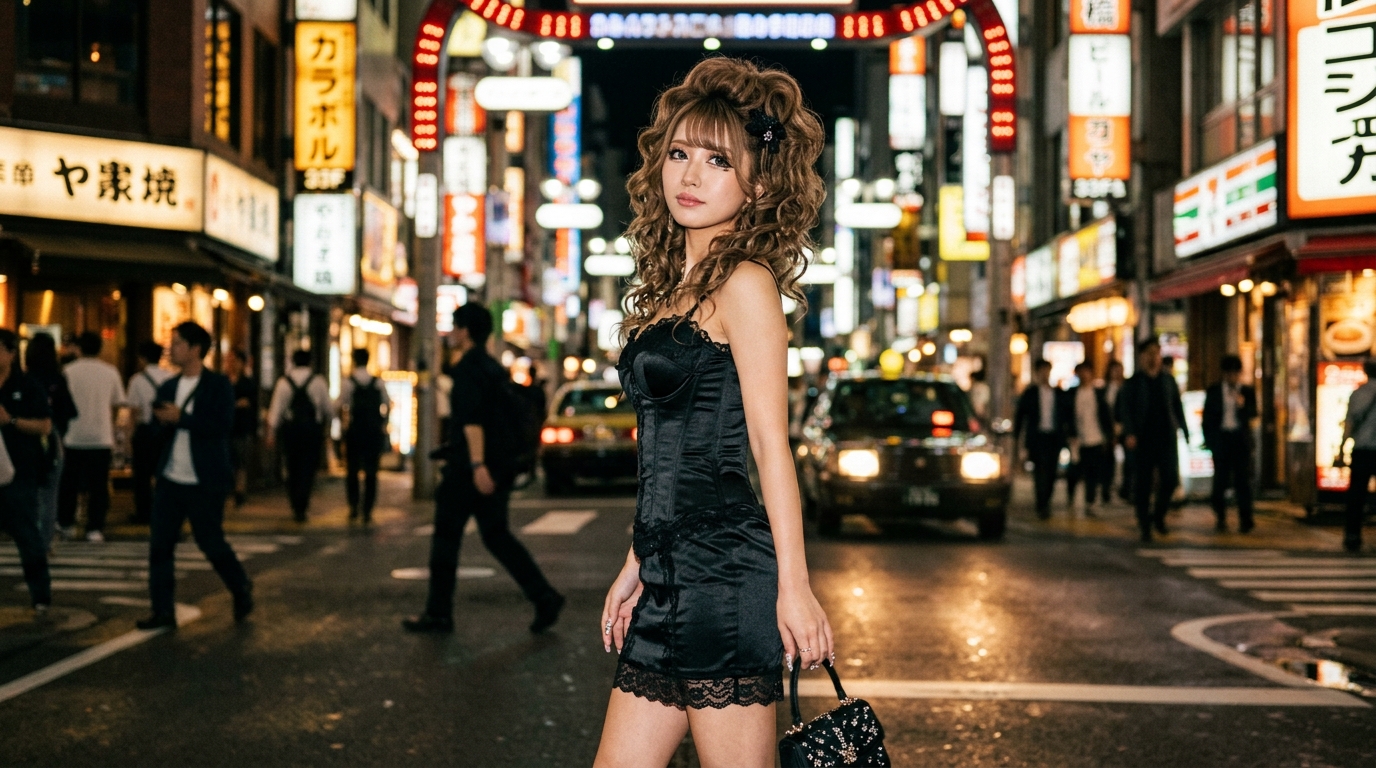
Agejo Gyaru Fashion: Koakuma Ageha, Sujimori Hair & Nightlife Glamour
Explore Agejo Gyaru: the seductive, nocturnal substyle popularized by Koakuma Ageha magazine, featuring satin corsets, cat-eye makeup, and voluminous sujimori hair.
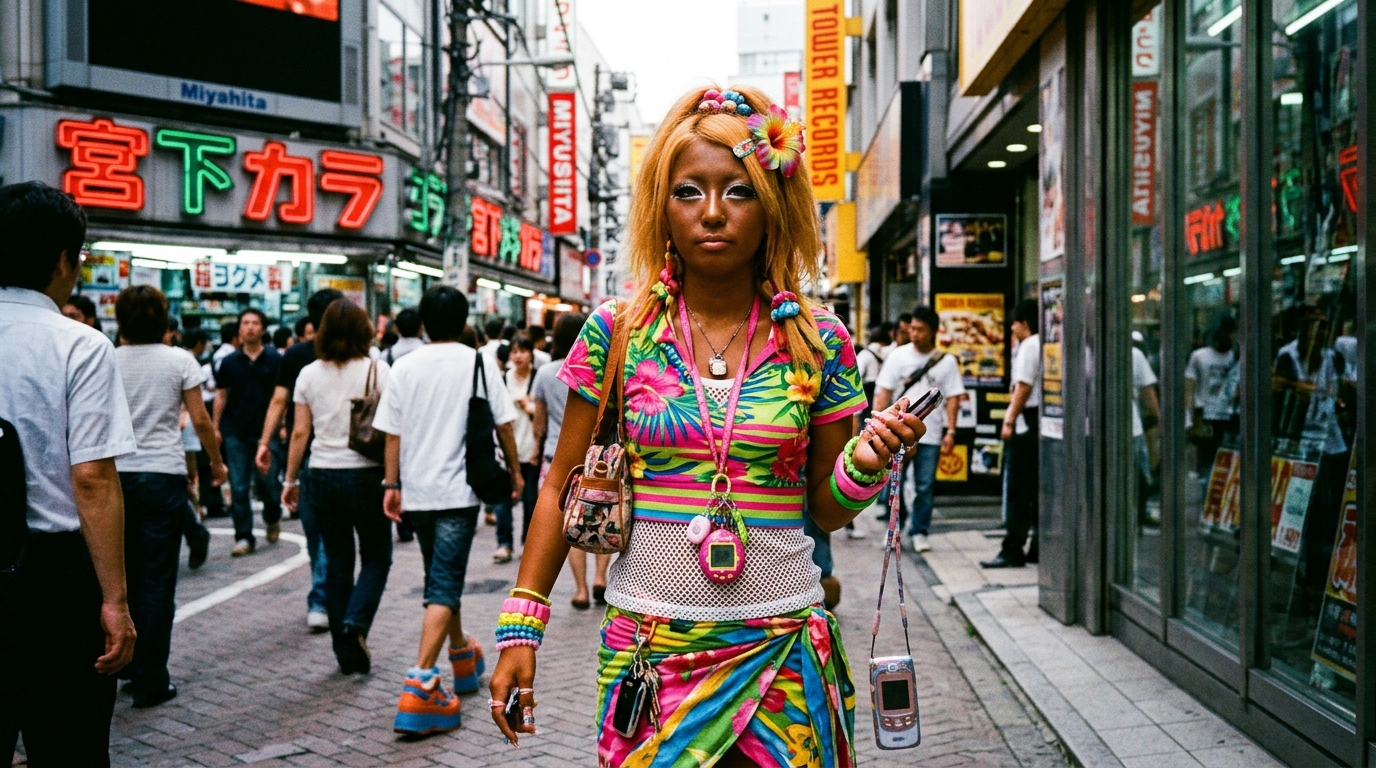
Ganguro Fashion: Deep Tan, White Makeup & Late-90s Radicalism
Explore Ganguro fashion: the extreme late-1990s Gyaru substyle featuring deep salon tans, white eye concealer, bleached hair, and Shibuya rebellion.
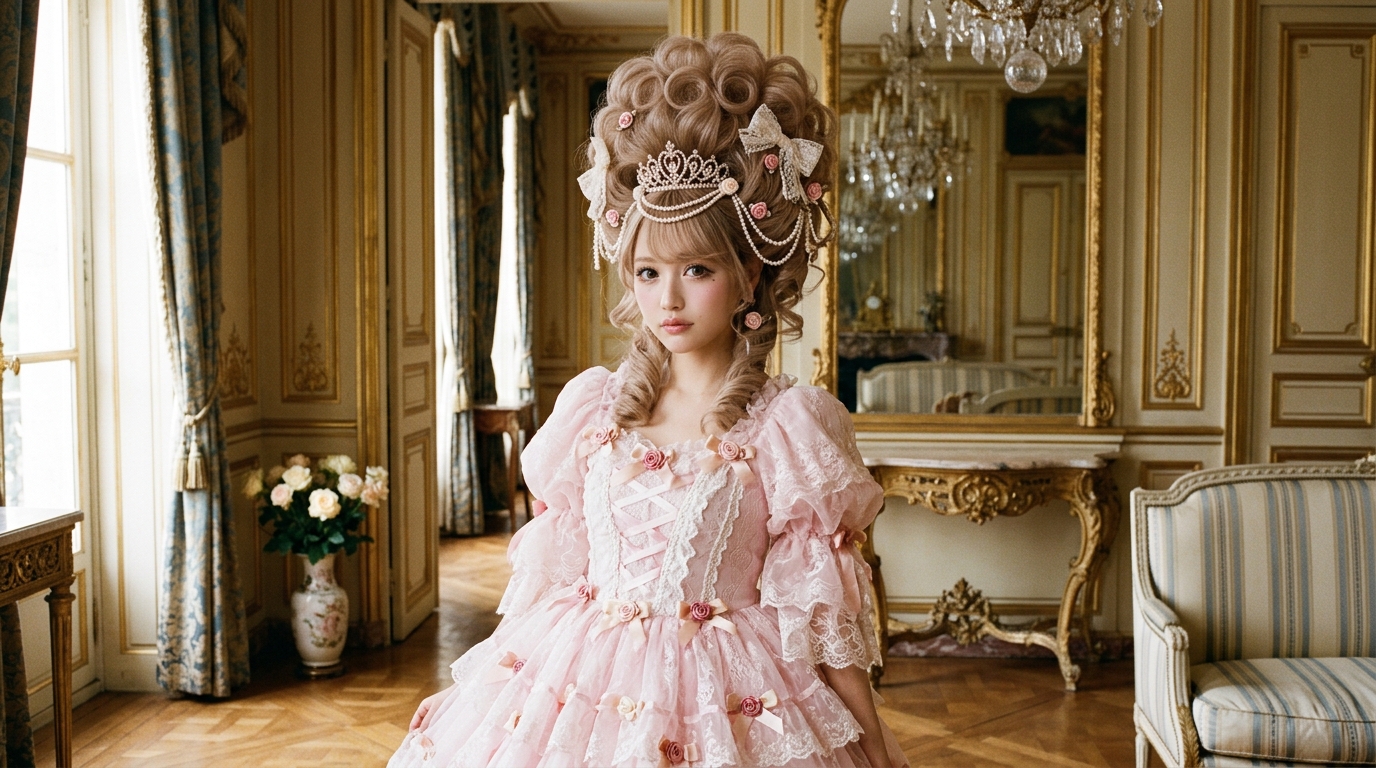
Hime Gyaru Fashion: Outfits, Makeup, History & Guide
The complete archival guide to Hime Gyaru (Princess Gal) fashion, covering Marie Antoinette aesthetics, sujimori teased hair, doll makeup, and iconic Shibuya 109 brands.